Psychology Vocabulary & Quiz
You can study psychology vocabulary on several pages of EnglishHints. On this page, there's a brief review of the most important concepts. (There are links at the bottom to more information.)
Then there's a 15-question quiz on some words that are important for understanding psychology .discussions.
What Do Psychologists Study?
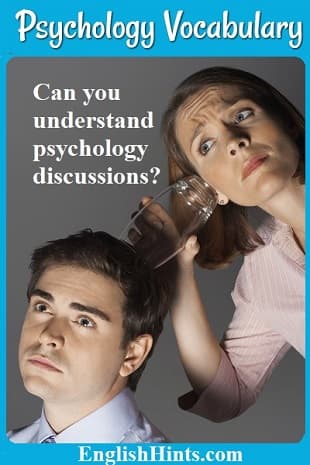
Psychologists study everything related to the human mind and human behavior.
Developmental psychologists observe growth and change over time.
Behavioral psychologists study behavior (the ways people act). For example, they may study people's reactions to stress.
Social psychologists study the interactions between people. They are interested in empathy— our response to the feelings and sufferings of others.
They study submission and domination, how people act in groups, and the different ways people respond to life and to each other.
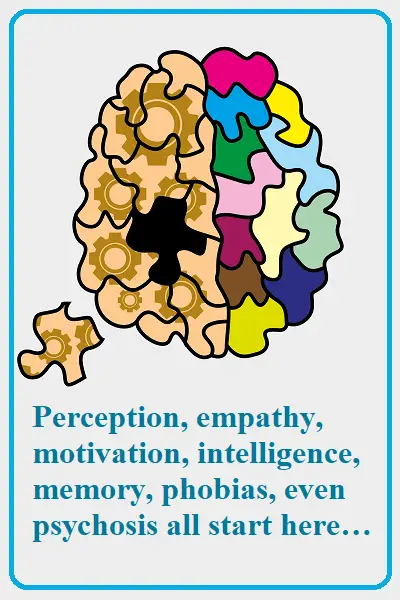
Neuroscientists study the brain and nervous system. They experiment with
- perception (how we see, hear, and experience life),
- cognitive function (mental abilities like intelligence, memory, reason and judgment),
- and emotion.
(These are all important aspects of psychology.) They also study nervous system disorders and dysfunctions.
Clinical
psychologists treat people with mental disorders. (So do psychiatrists, who are medical doctors specializing in treating mental illness.)
They treat addictions, autism, depression, phobias, anxiety, obsessions and compulsions.
They also treat psychosis (severe mental illness). Schizophrenia can cause disordered thinking, hallucinations, or paranoia. Bipolar disease has manic and depressive periods. Both can make life very difficult.
They have various therapies (types of treatments) to help people with these conditions. Therapies include combinations of medications, behavior modification, psychoanalysis, and other talk therapies.
Cognitive behavioral therapy (CBT) helps people change their way of thinking so they can change how they act.
Quiz on Psychology Vocabulary
Mark the best answer (or answers.) Then click on the right-pointing arrow to go on to the next question.
Did you find the quiz helpful? You can make comments or suggestions below.
More Psych Vocabulary Practice
Use Personality Vocabulary to describe attitudes and personal traits. (It can help you write a better resume or C.V., too!)
How much of this science vocabulary do you know? Find out with these category and matching games.
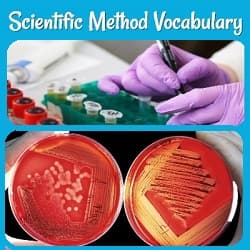
Scientific Method Vocabulary discusses the method (and key words) used by researchers, from behavioral psychologists to neuroscientists.
Comprehension Test on a talk on Motivation examines key research findings on what motivates people to do good work.
English Detective newsletters #9, 10, and 28 link to information on neuroscience and brain functioning. #33 examines a few aspects of mental dysfunctions and their treatments. For links to those readings and to practice activities, see back issues.
Check Your Reading Skill and Practice Scanning & Skimming offer advanced-level reading practice about mental health.
Home> English Language Test Prep > Psychology Vocabulary
Didn't find what you
needed? Explain what you want in the search box below.
(For example, cognates, past tense practice, or 'get along with.') Click to see the related pages on EnglishHints.
| site search by freefind | advanced |



What's New?-- site blog
Learn about new and updated pages on EnglishHints, with just enough information to decide if you want to read more.
Do you already use English in your profession or studies-- but realize you need more advanced English or communication skills in certain areas?
I can help-- with targeted suggestions & practice on EnglishHints or with coaching or specialized help for faster results. Let me know. I can suggest resources or we can arrange a call.
Vocabulary in Minutes a Month
Sign up for our free newsletter, English Detective. In a few minutes twice a month you can:
- Improve your reading fluency with selected articles & talks on one subject (for repeated use of key words)
- Understand and practice those words using explanations, crosswords, and more
- Feel more confident about your English reading and vocab. skills-- and more prepared for big tests & challenges
For information (and a free bonus), see Building Vocabulary


Home | About me | Privacy Policy | Contact me | Affiliate Disclosure
Copyright © 2011 – EnglishHints.com